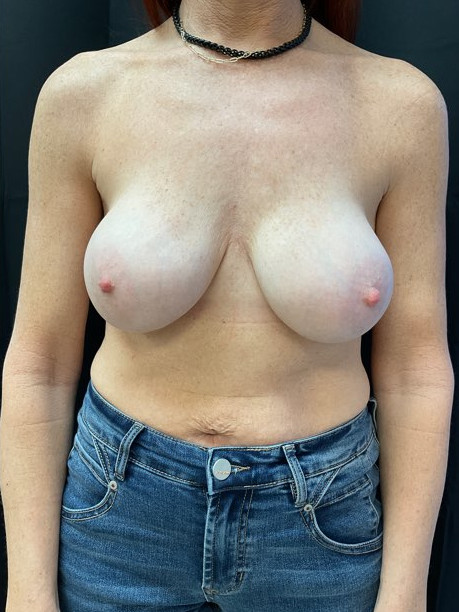
How to Think About a Breast Lift Before Your Consultation
Is a lift on its own the right fit, or would you be happier with added volume too? How much scarring are you comfortable with, and is now the right time? Your answers shape which approach makes sense and what your result will look like, and each one is covered below.
What you are actually trying to change. A lift fixes position and firmness. It raises breasts that sag, lifts nipples that point down, and tightens skin that has stretched. It does not add volume up top. If your real wish is to be fuller or bigger, a lift alone will disappoint you, and a lift with implants is the honest answer.
How much lift you need. The amount of sagging sets the incision. A little sagging can be corrected with a smaller scar; more significant sagging needs a longer one to remove more skin and reshape more tissue. Naming how much change you want helps set expectations about the trade-off between lift and scarring.
Your timing. A future pregnancy or a large weight change can stretch the skin again and undo your result. You do not have to be finished having children to get a lift, but if more pregnancies are close on the horizon, waiting often protects your investment.
That results settle over months. You will see an improvement right away, but the breasts keep settling as swelling fades and the tissue relaxes into its new shape. Scars look their worst early and then fade steadily with care. Patience is part of the process.
These are the questions Dr. Sistare will ask during your consultation. Having early answers makes the visit more productive and the result more aligned with what you actually want.
How a Breast Lift Works
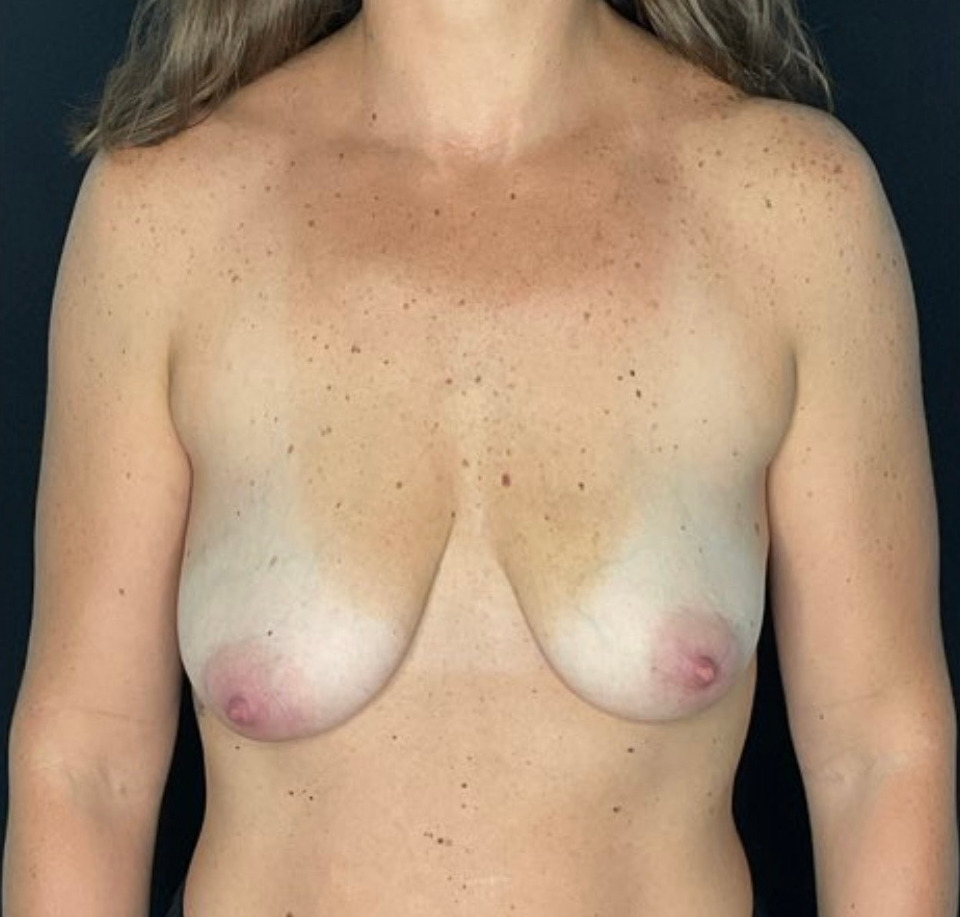
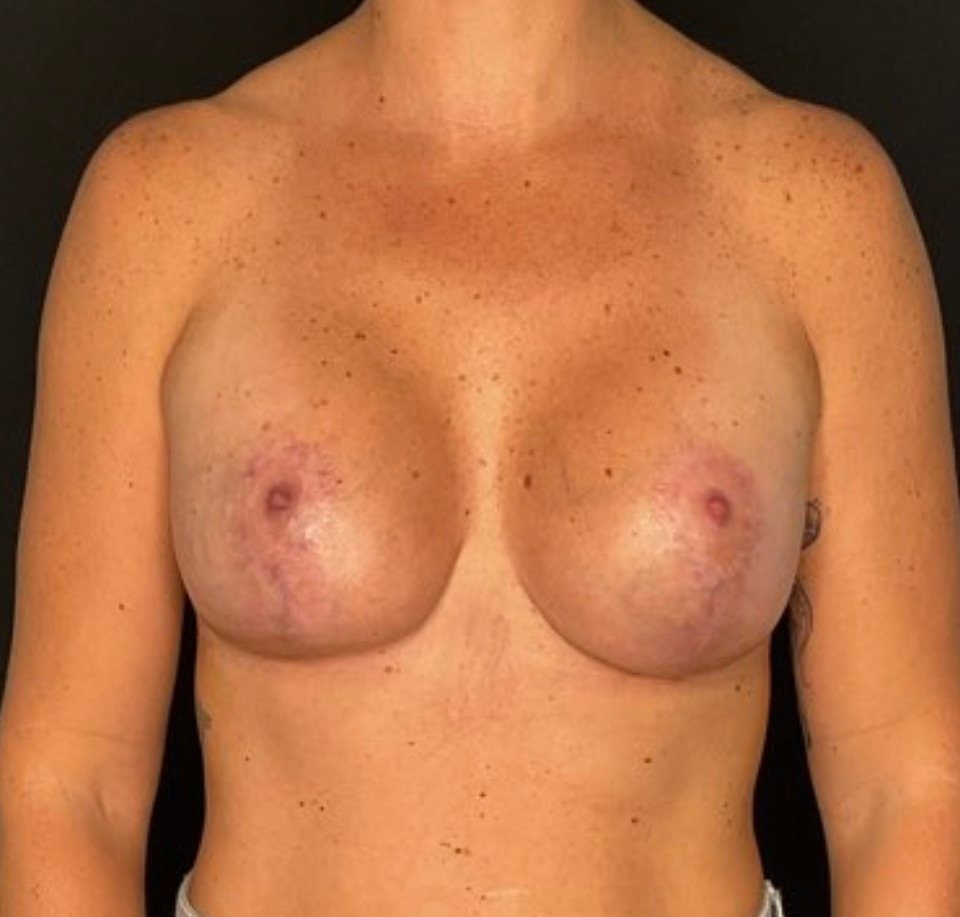
A breast lift is an outpatient surgery performed under general anesthesia, which means you are asleep and comfortable throughout and go home the same day. The surgery usually takes two to three hours, depending on how much lift is needed. Dr. Sistare removes the excess, stretched skin, tightens and reshapes the breast tissue underneath, and moves the nipple and areola up to a higher, more youthful spot. If the areola has stretched wide, he can reduce its size at the same time for a balanced look.
All of the reshaping happens through carefully placed incisions, and the pattern depends on how much correction your breasts need. Dr. Sistare places those incisions where a bra or swimsuit hides them, and the scars fade significantly over time with proper care.
Breast Lift Options
A breast lift really comes down to a few decisions made together: how much lift you need, whether you also want to change your size, and what happens with the nipple and areola. The right combination depends on your body and your goals, not on any standard default.
1. How Much Lift You Need: Choosing the Incision
The amount of sagging decides the incision pattern. More lift means a bit more scar, so this is a trade-off Dr. Sistare will walk through with you. The common techniques:
| TECHNIQUE | BEST FOR | WHERE THE SCAR SITS |
|---|
| Vertical (lollipop) | Moderate sagging | Around the areola and straight down to the breast crease |
| J incision | Moderate to more significant sagging | Around the areola, down to the crease, and along one side of it |
| Anchor (inverted T) | Significant sagging | Around the areola, down to the crease, and along the crease itself |
No technique is universally better. The right one removes exactly as much skin as your lift requires and no more. Dr. Sistare matches the incision to your degree of sagging, your tissue, and your goals.
2. Lift Alone, or Lift Plus a Size Change
- Lift alone. Reshapes and raises the breast tissue you already have. Best if you like your size and simply want it lifted and firmer.
- Lift plus augmentation. Adds implants for volume, upper fullness, and cleavage that a lift by itself cannot create. A common choice for breasts that are both sagging and deflated.
- Lift plus reduction. For heavy breasts, pairing a lift with a reduction removes weight while raising and reshaping, which also eases physical discomfort.
Dr. Sistare will help you decide which of these fits your goals during your consultation.
3. The Nipple and Areola
A lift moves the nipple and areola to a higher, more natural position on the reshaped breast. If your areola has stretched wide over time, Dr. Sistare can make it smaller in the same procedure so it stays in proportion with your new shape.
"A lift is about position and shape, not size. The best result looks like your breasts, lifted years back, not like someone else's."
— DR. MICHAEL SISTARE
Is This Procedure Right For You?
A breast lift works best when expectations match what it can do. It restores position and firmness to sagging or deflated breasts. It does not add upper fullness on its own, and it is not a weight-loss procedure.
You are likely a good candidate if:
- Your breasts sag, or your nipples point downward or sit at or below the breast crease.
- Your breasts look deflated or stretched and have lost their perkiness.
- You are happy with your size and mainly want your breasts lifted and firmer.
- You are in good general health, not pregnant or breastfeeding, and have realistic expectations.
A lift alone may not be the right choice if:
- Your main goal is more size or upper fullness, where a lift with implants is the better answer.
- Your breasts are large and heavy, where pairing the lift with a reduction may serve you better.
- You are planning a pregnancy or major weight change soon, which can stretch the skin and undo your results.
During your consultation, Dr. Sistare will assess your breasts and your goals honestly and tell you if a lift, a combined plan, or a different procedure would serve you better. The goal is the right plan for the result you actually want.
What Recovery Actually Looks Like, Day by Day
Breast lift recovery is very manageable for most women, but it is still real surgery with real downtime. Recovery depends on how much lift you had and whether you combined it with another procedure, but the timeline below is what most patients can expect.
- Days 1 to 2
Right After Surgery.
You go home the same day in a supportive surgical bra. Expect soreness, swelling, bruising, and tightness. This is the most demanding stretch, and most women rest at home with help from a friend or family member. - Days 3 to 7
The First Week.
Swelling and bruising peak and then start to ease, and any discomfort is usually well managed with oral pain medication. Light movement around the house is encouraged for healthy circulation. This is when most women prefer to stay home. - Weeks 2 to 3
Back to Light Routine.
Many women return to desk work and light daily activities around two weeks. You will still avoid lifting, straining, and vigorous exercise while the tissues heal. - Weeks 3 to 6
Building Back.
You feel more like yourself each week and take on more activity, though strenuous exercise stays off limits until Dr. Sistare clears you. - Weeks 6 and Beyond
Back to Full Activity.
Most women are cleared for vigorous exercise around six weeks. Scars are entering their long fade, and scar-care guidance helps them settle. - Months 1 to 6
The Final Shape.
As the last of the swelling fades, the breasts settle into their final position and the scars continue to mature and lighten. This is when your true result comes into focus.
Risks and Things to Know Before You Commit
A breast lift is a safe, common, and well-established surgery when performed by a qualified surgeon. That said, it is a real operation and carries real risks you deserve to understand.
- Infection or slow wound healing. Uncommon with proper care, and treated promptly if it occurs.
- Changes in sensation. Nipple or breast sensation can change, usually temporarily and occasionally longer term.
- Asymmetry or contour irregularities. Minor differences between the breasts can happen and are usually correctable.
- Scarring. A lift always leaves scars; the amount depends on the technique. They fade over time and are placed to stay hidden, but they are permanent.
- Result not matching expectations. Most likely when upper fullness was the real goal and no implant was added, or when timing (a later pregnancy or weight change) undoes the lift.
The two most important things within your control are choosing an experienced surgeon and following your aftercare exactly, including scar care and a supportive bra. Bleeding and reactions to anesthesia are rare but possible, and Dr. Sistare will review every risk with you before your procedure.
How Much a Breast Lift Costs in West Palm Beach
Cost depends on how much lift you need, the incision technique, and whether you combine the lift with implants, a reduction, or another procedure. Because the right plan varies so much from one person to the next, the most accurate number comes from a consultation rather than a generic figure.
Palm Beach Cosmetic Surgery currently offers a breast lift starting from $9,095, or about $246 per month with financing. A breast lift is an elective cosmetic procedure and is not covered by insurance, unless it is part of medically necessary reconstruction, such as after a mastectomy. Financing is available through CareCredit and Cherry, and your consultation will include a clear breakdown based on your specific plan, with no obligation to proceed.