The Quick answer
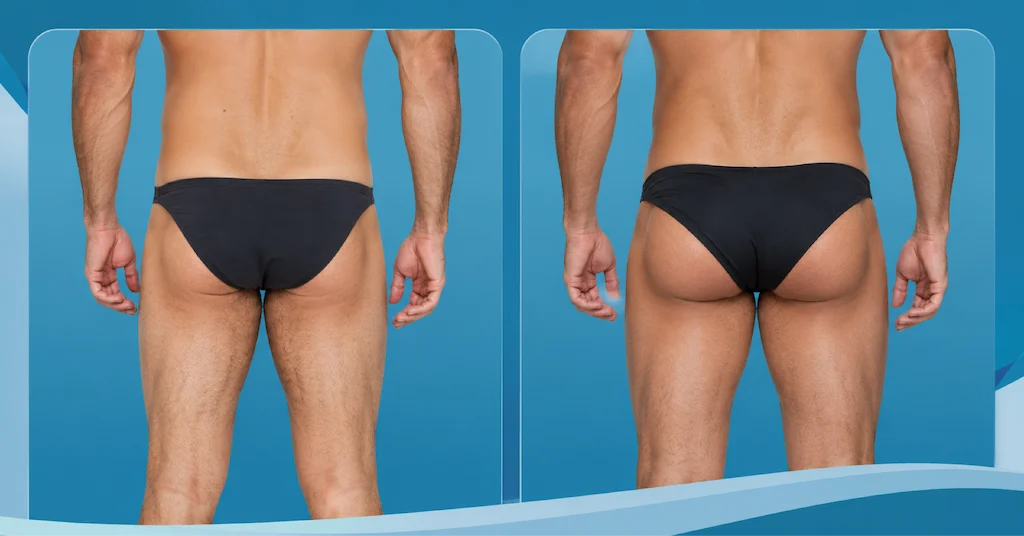
Palm Beach Cosmetic Surgery explains gluteal auto-augmentation, a procedure that lifts sagging skin and rebuilds fullness in one step by repositioning your own tissue from the top of the buttock and lower back into the buttock. Because that tissue stays attached to its own blood supply, it survives reliably, unlike the injected fat in a BBL where 24 to 36 percent can be reabsorbed. It suits people with both loose skin and lost volume, often after major weight loss or aging, and since the tissue keeps its blood supply, staying off your buttocks isn't as critical as after a BBL, with most people back to desk work within two weeks. Compared with rarely-used implants and subtle non-surgical options, it's the only approach that both lifts and adds fullness with natural tissue, which is why it's a signature approach of Dr. Michael Sistare.
If you have lost a lot of weight or noticed your buttocks flatten and droop with age, you may want a real lift, not just added volume. That is the exact gap gluteal auto-augmentation is built to close. It lifts sagging skin and rebuilds fullness at the same time, using tissue you already have.
Interest in true lifting procedures is climbing. Surgeons in the United States performed 7,954 buttock lifts in 2024, a 3 percent increase over the year before, according to ASPS. That shift toward lifting, rather than volume alone, is where this procedure lives.
At Palm Beach Cosmetic Surgery in West Palm Beach, FL, gluteal auto-augmentation is a signature approach taken by patients who want natural, lasting curves without implants. This guide covers what the procedure is and how it compares to a Brazilian butt lift and implants. It also walks through who it suits, recovery, and the results you can realistically expect.
Key takeaways
- Gluteal auto-augmentation lifts sagging skin and rebuilds fullness in a single procedure by repositioning your own tissue from the top of the buttock and lower back down into the buttock.
- Because that tissue stays attached to its own blood supply, it survives reliably, unlike the injected fat in a Brazilian butt lift, where roughly 24 to 36 percent can be reabsorbed.
- It suits people who have both loose skin and lost volume, often after major weight loss or aging, and who are at a stable weight with enough tissue to reposition.
- Because the repositioned tissue keeps its own blood supply, it is not so important to stay off your buttocks the way it is after a BBL. Most people return to desk work within two weeks and see final results over three to six months.
- Compared with implants, which are rarely used, and non-surgical options, which are subtle and temporary, it is the only approach that both lifts and adds fullness with natural tissue.
What is gluteal auto-augmentation and how does it work?

Gluteal auto-augmentation is a buttock lift that also adds fullness using your own living tissue. Instead of removing loose skin and stopping there, your surgeon lifts tissue from the top of the buttock and lower back and repositions it down into the buttock. One procedure does two jobs.
Here is what makes it different from a standard butt lift. A traditional lift tightens and removes sagging skin, which is great for firmness. But if you have also lost volume, a lift alone can leave the area looking flat. Auto-augmentation solves both by keeping that repositioned tissue attached to its own blood supply, so it fills the buttock instead of being discarded.
That last detail matters more than it sounds. Because the tissue is swung down while it stays connected, it keeps its blood supply and survives, rather than partially fading away the way injected fat can. Think of it like transplanting a plant with its roots intact instead of scattering loose seeds.
This is the approach Dr. Michael Sistare, a board-certified cosmetic surgeon*, is known for, at our West Palm Beach office. He favors this method because it uses what your body already has, which tends to look and feel natural.
If you have heard the phrase "flat buttock syndrome" after major weight loss, this is the concern it describes, and it is common. Losing significant weight often leaves loose skin and lost fullness together. Wanting to feel comfortable in your own shape again is reason enough to look into your options.
How does auto-augmentation compare to a BBL and implants?
There are four main ways to enhance the buttocks, and they are not the same procedure with different names. They differ in what they use, whether they actually lift, and how well the added fullness lasts. Here is how they line up.
| Option | What it uses | Does it truly lift? |
|---|---|---|
| Gluteal auto-augmentation | Your own tissue, kept attached and repositioned during a lift | Yes, removes loose skin and adds fullness together |
| Fat transfer (Brazilian butt lift) | Fat suctioned from another area, purified, then injected | No, adds volume only |
| Buttock implants | Silicone implants placed in or under the muscle | No, adds volume only, and rarely used today |
| Non-surgical (filler, energy devices) | Injectables or skin-tightening treatments | No, subtle and temporary |
A Brazilian butt lift, or BBL, is really fat grafting. Fat is removed from the abdomen, flanks, or thighs, purified, and injected into the buttocks to add volume. It shapes nicely, but it is not a lift, and roughly 24 to 36 percent of injected fat can be reabsorbed by the body over the first few weeks.
Implants are a smaller part of the picture. Only 1,245 buttock implant procedures were performed in the United States in 2024. They are seldom the first choice, because they carry the usual trade-offs of any implanted device.
Dr. Sistare generally guides patients toward auto-augmentation with a lift rather than a traditional BBL. The reasoning is practical, not a knock on other methods. Your own repositioned tissue keeps its blood supply, so it survives reliably, and it lifts loose skin at the same time.
None of this means one procedure is right for everyone. If your skin is tight and you only want more volume, fat grafting may fit. If sagging and lost fullness go together, a combined lift and auto-augmentation usually does more.
Am I a good candidate for a gluteal auto-augmentation?

You may be a strong candidate if you have both loose skin and lost volume, especially after significant weight loss or the natural changes that come with age. The ideal fit has sagging or flatness to correct, enough tissue in the lower back and upper buttock to reposition, good general health, and clear, realistic goals.
Two things carry extra weight here. Your weight should be stable, because later gains or losses can change your result. And there needs to be enough tissue to reposition, which your surgeon confirms with a hands-on assessment rather than a photo.
That assessment happens during an in-person consultation at Palm Beach Cosmetic Surgery's West Palm Beach office, a genuinely two-way evaluation. It is your surgeon's chance to examine your anatomy and skin. It is equally your chance to ask questions, see the office, and decide whether the fit feels right.
During that conversation, your goals, your options, and a personalized plan all get mapped out together, with no pressure to decide that day. Researching carefully before a decision this personal is exactly the right instinct.
Stephanie, a patient at the West Palm Beach office, described her first visit:
"From my very first consultation, the doctor was incredibly kind, down-to-earth, friendly, and honest."
What is the recovery process like after gluteal auto-augmentation?
Recovery asks for some patience, but most of it is about protecting the area while it settles. The surgery itself usually takes two to four hours under general anesthesia, so you are comfortable and feel nothing during it. From there, healing happens in stages.
What surprises people most is what this recovery does not require. The repositioned tissue is swung down with its own blood supply left intact, so it is not so important to stay off your buttocks. That is different from a BBL, where grafted fat must establish a new blood supply before it survives. That is why sitting matters so much there. Your surgeon will still give you specific positioning and activity guidance for your first weeks.
The first two weeks
Movement actually helps, so you will start walking the night of your surgery. Once you are home, plan on walking 10 minutes out of every hour, at minimum, to support circulation. Most patients need prescription pain medicine for only about three days, then transition to over-the-counter options. You will wear a compression garment to ease swelling, and many people return to desk work and light activity around the two-week mark.
Weeks two through six
Swelling keeps improving, and your energy returns. Around six weeks, most patients can gradually resume exercise and more strenuous activity. If you want to add lymphatic massage for comfort during this stretch, that is an option, though it is by no means required.
Months three through six
This is when the shape you were waiting for really shows. As swelling fully resolves and the tissue stabilizes, your final contour becomes clear, usually somewhere between three and six months. It is normal to feel impatient in the meantime, and that patience pays off.
What are the risks, complications, and side effects of this surgery?
The vast majority of patients heal without any real problems, so it helps to start there. Swelling, bruising, and soreness are not complications. They are the normal, temporary parts of healing that fade week by week.
Because auto-augmentation keeps the repositioned tissue attached to its blood supply, the fat-survival concern that comes with grafting is much smaller here. Occasionally a small area of relocated tissue can firm up as it settles, which usually softens on its own over time. Your surgeon can talk you through what to watch for.
Less common issues include a small pocket of fluid your body reabsorbs naturally, minor bruising beneath the skin, or slow healing at an incision. These are genuinely uncommon, and there are clear steps your surgeon takes to lower the odds, from careful technique to specific aftercare.
Scarring is part of any surgery, but placement is deliberate. Incisions are positioned discreetly so they can hide under clothing and swimwear, and they tend to fade over time. Most surgeons wait until about six weeks after surgery, once incisions are fully closed, before recommending silicone scar products.
If safety is your biggest question, that is exactly the kind of thing to raise directly. You can also explore financing options through Cherry, CareCredit, and Alphaeon Credit, so cost stays a practical detail rather than a barrier to getting answers.
What results can I realistically expect from a gluteal auto-augmentation?
Expect a buttock that looks fuller, more lifted, and in better proportion with the rest of your figure, using tissue that is genuinely yours. Because the repositioned tissue keeps its blood supply, the fullness you see settling in is fullness that tends to stay, rather than partly fading like grafted fat.
Results are built to last. With a stable weight and healthy habits, most patients enjoy their new shape for years, and often much longer. Significant weight swings are the main thing that can change the outcome, since your body treats this tissue like any other.
The timeline rewards patience. You will notice a difference right away, but the final, settled contour appears over three to six months as swelling resolves. Scars continue to mature and fade during that same window and beyond.
This is the kind of natural, personalized result the team at Palm Beach Cosmetic Surgery aims for, and it starts with careful planning around your specific anatomy. Confidence that comes from looking like a rested, balanced version of yourself is the whole point.
Kasey, a patient at our West Palm Beach office, shared her experience:
"From the moment I walked in, the staff made me feel genuinely cared for – warm, attentive, and incredibly professional."
For patients considering fat transfer in Palm Beach, gluteal auto-augmentation offers an alternative that uses their own tissue to restore fullness while lifting sagging skin for a more balanced contour.
Conclusion
If you started this article worried that a flat or sagging backside after weight loss meant choosing between a real lift and added fullness, here is the reassuring part. Gluteal auto-augmentation gives you both at once, using your own living tissue, which is why the shape looks natural and holds up over time.
Seeing what it can do for your own shape is what makes the decision easier, and that takes a hands-on look rather than a photo. When you are ready, an in-person visit is where the general becomes specific to your body, your goals, and what is realistically possible for you.
Dr. Sistare and the team at Palm Beach Cosmetic Surgery believe confidence should be accessible, thoughtful, and yours to decide on your own timeline.
That philosophy shapes every consultation. To take the next step, request an appointment at our West Palm Beach office, or call 561-499-9000 to get started.
Frequently asked questions
How does autoaugmentation differ from a Brazilian butt lift?
A Brazilian butt lift adds volume by injecting purified fat, but it does not lift loose skin, and some of that fat is reabsorbed. Auto-augmentation repositions your own attached tissue, so it lifts and adds fullness at the same time, and the tissue keeps its blood supply.
Who is the ideal candidate for a buttock autoaugmentation?
The best candidates have both loose skin and lost volume, often after significant weight loss or aging, along with enough tissue to reposition and a stable weight. Good overall health and realistic goals round out the picture. A hands-on consultation is the only way to confirm your fit.
How much does gluteal autoaugmentation cost?
Cost depends on your anatomy, the details of your procedure, and whether it is combined with other treatments, so a personalized estimate comes from your consultation. Flexible financing through Cherry, CareCredit, and Alphaeon Credit can help make your goals more accessible.
What is the recovery time for a buttock autoaugmentation?
Most patients return to desk work and light activity around two weeks and resume exercise near six weeks. Final results settle over three to six months as swelling fully resolves.
Do I have to stay off my buttocks after gluteal auto-augmentation?
Not the way you would after a BBL. Because the repositioned tissue keeps its own blood supply, it is not so important to stay off your buttocks. That is one of the real advantages of this approach. Your surgeon will still give you positioning and activity guidance for the first few weeks.
Does gluteal autoaugmentation leave visible scars?
There will be some scarring, since incisions are necessary, but placement is deliberate and discreet so scars can hide under clothing. They typically fade over time, and scar care usually begins around six weeks once the incisions are fully closed.
What is "flat buttock syndrome" after weight loss?
It describes the loose skin and loss of fullness that can follow major weight loss, leaving the buttocks looking flat and deflated. Because it involves both sagging and lost volume, a combined lift and auto-augmentation often addresses it well.
Will my autoaugmentation results change if I lose more weight?
Yes, significant weight loss or gain can alter your shape, since your body treats the repositioned tissue like any other. Keeping a stable weight is the best way to protect your long-term result.
How long do the results of a gluteal autoaugmentation last?
Because the repositioned tissue keeps its blood supply, results tend to be long-lasting, often for years or longer with steady weight and healthy habits. Natural aging may gradually affect the shape, but most patients enjoy their curves well into the future.
*Disclaimer: The specialty recognition identified herein has been received from a private organization not affiliated with or recognized by the Florida Board of Medicine. This content is for educational purposes only and does not constitute medical advice. A consultation with a qualified board-certified surgeon is required to determine the best treatment plan for your individual needs and any questions you may have about a medical condition or procedure.