The Quick answer
Palm Beach Cosmetic Surgery explains that the Lifestyle Lift was never a distinct operation but a heavily advertised franchise that sold a short-scar facelift under local anesthesia as a fast, low-cost option. A basic version historically started in the low thousands, though add-ons pushed the real total higher, while a modern facelift costs more because its deeper tissue work produces a natural, longer-lasting result. Its minimal-dissection technique closed the skin under tension, which led to widened scars and a pulled look for some patients. The company closed in 2015 after regulatory actions and lawsuits, pointing to a simple lesson: choose the surgeon, not the brand, which is why Dr. Michael Sistare emphasizes a personalized deep-plane approach.
The Lifestyle Lift was never a distinct operation. It was a branded, streamlined facelift, sold with the promise of a quick refresh and a shorter recovery than the traditional version.
The procedure it sold, a facelift, is as sought-after as ever. Surgeons performed 79,058 traditional facelifts in the United States in 2024, a slight rise over the year before, according to ASPS. So what happened to the Lifestyle lift? The demand clearly never went anywhere. What changed is how these lifts are done, and who does them.
At Palm Beach Cosmetic Surgery in West Palm Beach, FL, our board-certified cosmetic surgeon* focuses on natural, lasting facial rejuvenation instead of a one-size-fits-all shortcut. This guide walks through what the Lifestyle Lift actually was, what it cost then and what facelifts cost now, how it stacks up against a modern facelift, and why the brand disappeared.
Key takeaways
- The Lifestyle Lift was not a new surgery. It was a heavily advertised franchise that sold a short-scar facelift under local anesthesia, marketed as a fast, low-cost option.
- Historically, a basic Lifestyle Lift started in the low thousands, though add-on procedures often pushed the real total much higher.
- A modern facelift costs more because it does more. The deeper tissue work is what produces a natural, longer-lasting result rather than a surface-only pull.
- The Lifestyle Lift's minimal-dissection technique closed the skin under tension, which is what led to widened scars and a pulled look for some patients.
- The company closed in 2015 after regulatory actions, lawsuits, and mounting debt, a story that points to a simple lesson: choose the surgeon, not the brand.
What was the Lifestyle Lift, and how was the procedure performed?
The Lifestyle Lift was a national chain, not a surgical breakthrough. Founded in 2001 and shuttered in 2015, it built its name on aggressive infomercials and a standardized, lower-cost package that local centers licensed and delivered. The selling point was convenience and price, not a new operation.
Surgically, it was a short-scar, limited-incision facelift, the smaller kind of lift often marketed as a 'mini' facelift. The incision was S-shaped, starting at the temple hairline and running in front of and behind the ear. Dissection stayed shallow, lifting only a short flap of skin. Understanding modern facelift techniques helps explain how different facelift approaches vary in the depth of tissue repositioning.
From there, the technique tightened the superficial muscular aponeurotic system, or SMAS, which is the deeper layer of muscle and connective tissue under your skin. Adjacent tissues were pulled upward and stitched, then excess skin was trimmed and closed. Because so little was released underneath, that closure often happened under real tension, a detail that matters more than it sounds.
The whole thing ran under local anesthesia, using numbing injections and oral sedation rather than going fully under. That kept operating times short. It also meant many centers could skip the hospital affiliation and surgical-facility accreditation that fuller procedures require, a shortcut that would later draw scrutiny. Understanding surgeon qualifications and surgical-facility safety helps explain why the surgeon's credentials and surgical setting matter.
Price was the other big lever. To lift the total per visit, centers offered a menu of add-on treatments alongside the signature lift, including eyelid surgery, brow lifts, laser skin resurfacing, fat grafting, chin work, and liposuction under the chin. It's a lot to weigh when you just want to look a little more rested, and that pressure to bundle is worth remembering as you read on.
How much did a Lifestyle Lift cost, and how do prices compare today?

The cost was the entire pitch, so let's start there. When the company was operating, a basic Lifestyle Lift typically started in the low thousands, often around $3,000 to $4,000 for the core procedure. That headline number is what pulled people in.
The real total was usually higher. Once those à la carte add-ons entered the picture, the centers' trademarked packages commonly landed in the $6,500 to $9,000 range, and patient-reported averages climbed higher still. If you ever felt like the advertised price and the final quote lived in two different worlds, you weren't alone.
A facelift today is a more significant investment, largely because a modern surgeon is doing more beneath the surface. The average surgeon's fee alone ran $12,000 to $19,000 in 2024, according to ASPS. That fee is only one line on the bill, not factoring in add-on procedures and how they change the price.
A full facelift quote usually pulls together several separate costs:
- The surgeon's fee, which covers the operation itself.
- Anesthesia, which typically adds another $1,000 to $3,000.
- The accredited surgical facility, often $1,000 to $5,000.
- The consultation, which some practices credit toward your surgery.
One thing hasn't changed since the Lifestyle Lift era. Health insurance won't cover any of it, because a facelift is elective and cosmetic. That's why planning for the cost upfront matters so much.
At Palm Beach Cosmetic Surgery, we'd rather talk about price openly than hide it behind a vague promise to call for a quote. A facelift is a real decision, and part of making it calmly is knowing your options. To keep the goal within reach, we offer flexible financing through Cherry, CareCredit, and Alphaeon Credit, so the cost can be spread into manageable monthly payments.
How does a Lifestyle Lift compare to a traditional facelift?
The honest answer is that they aren't in the same class, and the difference comes down to depth. A Lifestyle Lift mostly worked at the surface, pulling adjacent tissue and relying on the skin to hold the result. A traditional or deep-plane facelift works underneath the skin of the face, where aging actually happens.
Think of it like tightening a bedsheet. You can tug the corners and smooth the top for a while, or you can lift and reset the mattress underneath so the whole thing lies flat. The Lifestyle Lift tugged the corners. A deep-plane lift resets what's beneath.

That's the technique Dr. Michael Sistare performs. His is a specific kind of deep-plane facelift, a bilaminar deep plane facelift. He repositions the skin and the SMAS as two distinct layers, pulling each one in its own direction. That anchors the lift in muscle and connective tissue rather than skin, and lets each layer settle along its best line. Because the skin isn't doing the pulling, it closes with little tension, which is what avoids that stretched, windblown look and helps the result last.
That single difference shows up everywhere else, too:
| What to compare | Lifestyle Lift (historical) | Modern deep-plane or traditional facelift |
|---|---|---|
| Where the work happens | Mostly skin and superficial tissue | Deeper tissue layer, released and repositioned |
| Tension on the skin | High, at the incision lines | Minimal, held underneath |
| Scarring risk | Wider scars from closing under tension | Better-hidden, lower-tension scars |
| The look | Could appear pulled or windblown | Soft and natural |
| How long it lasts | Roughly a few years | Often 10 years or more |
Both the SMAS approach and the deep-plane approach can look natural when they're done well. The deep-plane technique tends to last longer and suits heavier drooping and jowling, which is why a modern surgeon matches the method to your face. It's also worth knowing that most facelifts include some neck lifting, since the two are rarely done independently. Understanding lower-face and neck aging helps explain why these areas are often addressed together.
Recovery for a well-done modern facelift usually runs about two and a half to three and a half weeks. Light walking starts the day you get home, and the pain plan leans on non-opioid medicine. Choosing carefully here is exactly the right instinct, because the result lives on your face every day.
Sharon, who had neck and face surgery and shared her results, put it simply:
"A week after my surgery, my face and neck looked significantly better. It boosted my confidence and brought me great joy."
If you like the smaller-scale idea the Lifestyle Lift once sold, that option still exists in a safer, better-executed form. It's called a minimal incision facelift, or a Smartlift, and it lifts the lower face and upper neck through a shorter incision than a full lift.
How do you find a reputable surgeon for a safe facelift today?
Start by flipping the usual script. A consultation isn't only a chance for a surgeon to evaluate you. It's equally your chance to evaluate him, ask hard questions, and decide whether the fit feels right before you commit to anything.
Bring whatever you've gathered, too. If you arrive holding photos of the results you want, or mention you've been searching online for weeks, there's nothing to apologize for. Dr. Sistare would much rather you come in prepared. It shows you've been thinking about this seriously, and that you care enough to research it on your own.
A thorough visit at Palm Beach Cosmetic Surgery happens in person at our West Palm Beach office, where your surgeon can assess your skin, your anatomy, and what your face is actually doing. From there, you'll talk through your goals, review which technique suits you, and get a realistic plan rather than a rushed sales pitch. Nothing about it should feel like a conveyor belt.
Sabrina, who valued an unhurried, thorough visit, described the experience:
"He made me feel more than prepared & well informed prior to my surgery & has been very supportive through the healing process. He never makes me feel rushed, he thoroughly explains everything."
What should you take from the Lifestyle Lift story?

If the Lifestyle Lift ads are what first put a facelift on your radar, that memory did its job, even if the company didn't last. The instinct behind it, wanting to look as rested as you feel without overcomplicating things, was always reasonable. The problem was never you. It was a model that put speed and volume ahead of the person in the chair.
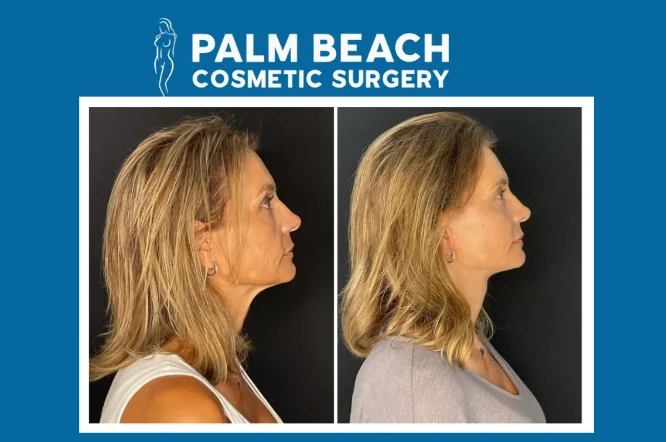
The good news is that the safer, better version of that goal is very much available. Real patient photos that match your own starting point are one of the most grounding things to look at next, so view before-and-after facelift results before anything else. A consultation is simply where those photos stop being other people's faces and start being a conversation about yours.
When you're ready, Dr. Sistare and the team at Palm Beach Cosmetic Surgery are here to help you weigh your options with honesty and no pressure. That's the difference a single, accountable surgeon makes.
You can book your consultation or call 561-499-9000 whenever the timing feels right, because your journey to confidence should move at your pace, not a franchise's.
Patients researching the history of the lifestyle lift, West Palm Beach may find it helpful to understand why traditional facelifts focus on deeper tissue repositioning rather than simply tightening the skin.
Frequently asked questions
How much did a Lifestyle Lift cost when the company was open?
A basic Lifestyle Lift typically started around $3,000 to $4,000 for the core procedure. Once add-on treatments were included, the trademarked packages commonly ran $6,500 to $9,000, and many patients reported paying more than the advertised starting price.
What does a facelift cost now?
Costs vary by technique, add-ons, and where you have surgery, so there's no single number. As industry context, the average surgeon's fee alone for a traditional facelift was $12,000 to $19,000 in 2024, before anesthesia and facility fees. For a personalized estimate and financing options, it's best to ask during a consultation.
How long did the results of a Lifestyle Lift typically last?
Because it worked mostly at the surface, a Lifestyle Lift generally held for only a few years. A deep-plane facelift, which repositions the deeper tissue layer, tends to last much longer, often a decade or more.
What is the difference between a Lifestyle Lift and a smaller modern facelift?
The Lifestyle Lift was a branded, franchised version of a short-scar lift. A modern minimal incision facelift, sometimes called a Smartlift, uses similar smaller incisions but is tailored to you by an individual surgeon and can address the deeper tissue for a more natural, durable result.
Does a Lifestyle Lift address sagging neck skin?
Only to a limited degree. Its short-scar approach focused on the lower face, so meaningful neck laxity often went undertreated. Today, facelifts that skip the neck are not common, since the face and neck usually age together.
What were the most common complaints about the Lifestyle Lift?
Many concerns centered on results that looked pulled and on scars that widened because the skin was closed under tension. Others involved the high-volume, assembly-line experience. A modern lift that works beneath the skin is designed specifically to avoid that stretched appearance.
Are modern surgical facelifts safer than brand-name lifts?
Safety depends far more on your surgeon and the surgical setting than on any brand name. A facelift performed by a board-certified surgeon in an accredited facility, with proper anesthesia monitoring, reflects the standards the Lifestyle Lift model often bypassed.
How do I know if I'm ready to consider a facelift?
A helpful self-test is to gently pull your cheeks up and back in the mirror. If that gives you the look you're after, it may be time to consider a facelift. A good surgeon focuses on what your face is actually doing, like jowling and loosening skin, rather than your age, and flexible financing can make that next step feel accessible.
*Disclaimer: The specialty recognition identified herein has been received from a private organization not affiliated with or recognized by the Florida Board of Medicine. Financing terms vary by credit approval. This content is for educational purposes only and does not constitute medical advice. A consultation with a qualified board-certified surgeon is required to determine the best treatment plan for your individual needs and any questions you may have about a medical condition or procedure.