A chemical peel is one of the oldest and most reliable ways to refresh skin, but "chemical peel" describes a whole range of treatments, from a gentle weekend-friendly refresh to a serious medical resurfacing. The right one depends entirely on what you want to improve and how much recovery you can take.
At Palm Beach Cosmetic Surgery, you will get an honest recommendation matched to your skin and your goals, not a one-size peel.
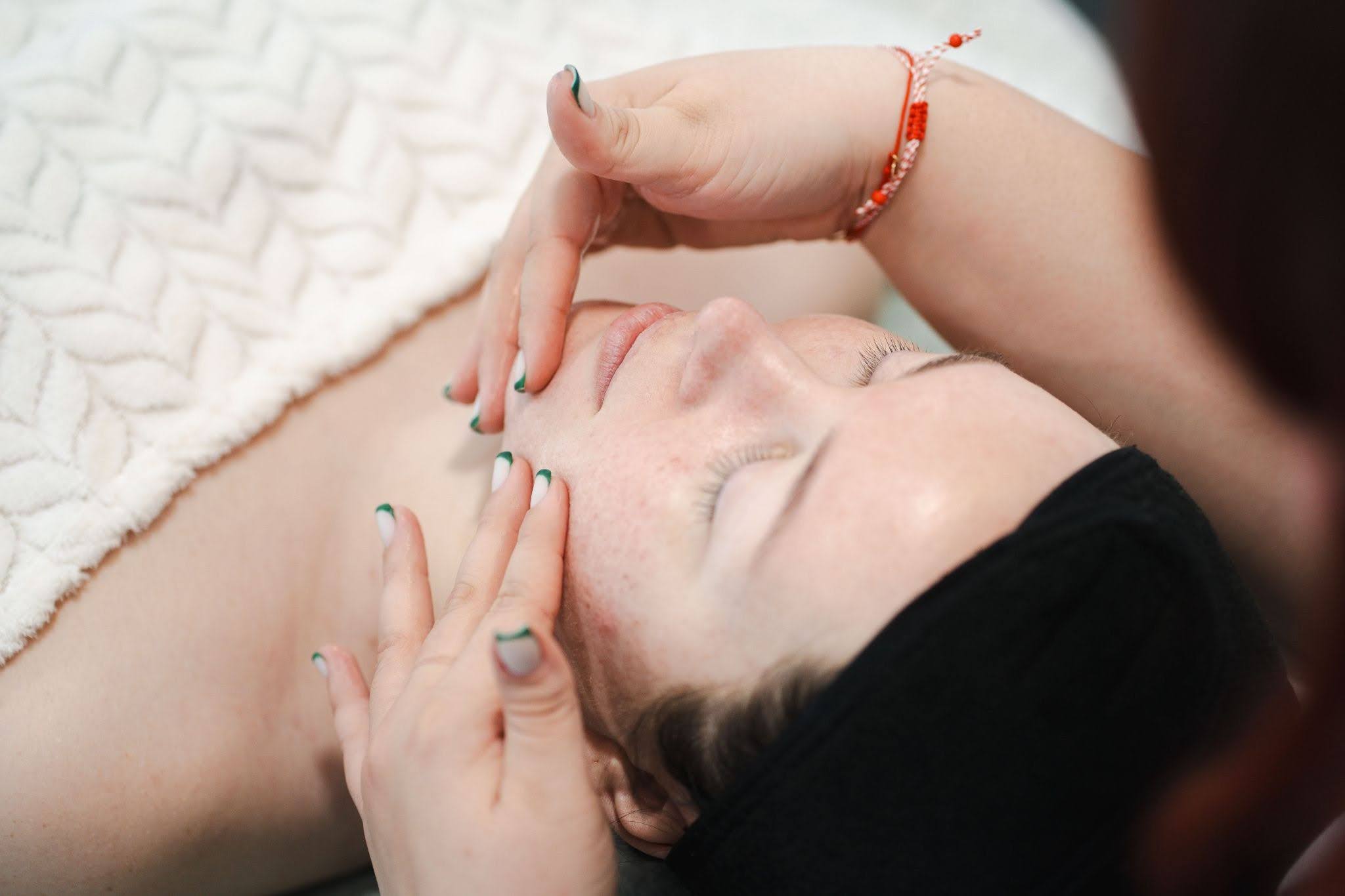
A chemical peel applies a solution to the skin that removes damaged surface layers in a controlled way, revealing smoother, fresher skin underneath and stimulating new collagen. Peels come in depths, superficial, medium, and deep, that trade more recovery for more dramatic results. Lighter peels improve tone, texture, and mild concerns with little downtime and work best in a series; deeper peels address wrinkles, scarring, and significant sun damage in fewer treatments but require real recovery and medical supervision.
How to Think About a Chemical Peel Before Your Consultation
Most pages list the benefits. Fewer help you understand that the depth of the peel is the decision that matters most. Before you book, it helps to be clear on a few things.
What you want to improve. Dullness, mild texture, and the occasional breakout respond beautifully to a light peel. Moderate sun damage, uneven pigment, and fine-to-moderate wrinkles call for a medium peel. Deeper wrinkles and significant sun damage may need a deep peel, a true medical procedure. Naming your top concern points to the right depth.
How much downtime you can take. This is the central trade. A superficial peel might leave you a little pink and flaky for a few days; a medium peel means about a week of visible peeling; a deep peel involves weeks of recovery. There is no version where dramatic results come without recovery. The depth that fixes more also asks more of your schedule.
Your skin tone and history. Skin type matters, as do a history of cold sores, certain medications, and recent sun exposure. Some peels are better suited to certain skin tones than others, and a careful assessment reduces the risk of pigment changes. This is not a formality.
That lighter peels are a series, not a one-time fix. Superficial peels build their best results over a series of treatments and ongoing maintenance. Deeper peels do more in a single session but are not something you repeat casually.
These are the questions Dr. Sistare will ask. Having early answers makes the consultation more productive and the result more aligned with what you actually want.
The Decisions That Affect Your Peel
Choosing a chemical peel actually involves several decisions at once: how deep the peel goes, which areas it covers, and whether you'll do a single treatment or a series. The right combination comes down to your skin and your goals rather than any standard default.
1. Peel Depth: The Decision That Matters Most
Depth is the single most important choice, because it determines what the peel can correct and how much recovery it requires:
FACTOR
SUPERFICIAL (LIGHT)
MEDIUM
Typical acids
AHAs/BHAs (glycolic, lactic, salicylic)
TCA, Jessner's
Best for
Dullness, mild texture, mild breakouts, early aging
Moderate sun damage, pigment, fine-to-moderate wrinkles, acne scars
Downtime
Minimal, mild redness/flaking, often a few days
About a week of visible peeling
Sessions
A series (often several), plus maintenance
One, or a short series
Supervision
In-office
In-office
There is no universally "best" depth. A lighter peel is gentle, low-commitment, and ideal for maintenance and mild concerns; a deeper peel corrects more in one treatment but asks far more of your recovery and carries greater risk. Dr. Sistare matches the depth to your concern, your skin, and how much downtime you can realistically take, and may suggest starting lighter and going deeper only if needed.
2. The Areas
Peels are most commonly done on the face, but lighter peels can also refresh the neck, chest, and hands, areas that show sun damage and aging. Deeper peels are generally reserved for the face, where the skin heals more predictably. Settings and solutions are tailored to each area.
3. A Series or a Single Treatment
Superficial peels are usually done as a series, spaced a few weeks apart, with periodic maintenance. They build gradually. Medium peels may be a single treatment or a short series. Deep peels are almost always a single treatment because of their intensity. Where a peel sits on this spectrum is decided with you, based on your goals and your tolerance for downtime.
How Chemical Peels Work
A chemical peel uses a carefully chosen acid solution to create controlled exfoliation. In other words, to remove damaged skin in a deliberate, measured way so healthier skin can replace it. The "peeling" you see afterward is that damaged surface shedding to reveal fresher skin underneath.
Two things happen. At the surface, the peel clears away dull, sun-damaged, and uneven skin cells, improving tone and texture. Below the surface, the controlled injury prompts your body to produce new collagen, which firms and smooths the skin over the weeks that follow. How deep the solution penetrates, which depends on the type and strength of acid and how it is applied, determines both how much it can correct and how much recovery it requires. That is why matching the peel to your skin and goals is the heart of a good result.
Want to know which peel is right for your skin?
Your consultation is where your skin gets assessed, the right depth and plan get matched to your goals, and you get an honest answer about results and recovery. No pressure, no obligation.
Chemical peels work best when expectations match the depth chosen. A peel improves tone, texture, pigment, and, at deeper levels, wrinkles and scarring. It does not lift significantly sagging skin the way surgery does.
You are likely a good candidate if:
Your concerns are dullness, texture, uneven tone, mild breakouts, sun damage, or (for deeper peels) wrinkles and scarring.
You are in good general health and not pregnant or breastfeeding.
You can take the downtime the chosen depth requires.
You are willing to commit to sun protection and aftercare, which directly affect your result.
A chemical peel may need a different approach if:
Your main concern is loose, sagging skin, where a surgical option such as a facelift may be the better answer.
Your concern is primarily color (sun spots, redness), where an IPL photofacial may target it more precisely, or primarily deep texture, where laser resurfacing may do more.
You have a darker skin tone, recent sun exposure or tan, a history of frequent cold sores, or take certain medications. These do not necessarily rule you out, but they make the assessment essential and may favor lighter peels.
During your consultation, Dr. Sistare will assess your skin and history honestly and recommend the depth, or a different treatment, that fits you best. The goal is the right tool for the result you actually want.
What to Expect, Start to Finish
What recovery looks like depends almost entirely on the depth of your peel. Here is a realistic picture across the spectrum, with the understanding that everyone heals at their own pace.
Before your treatment. Depending on the peel, you may be advised to prep your skin and avoid sun exposure and certain products beforehand. Deeper peels in particular often require weeks of pre-treatment to prepare the skin. Disclose your full history and medications.
During the treatment (about 15–30 minutes for most peels). Your skin is cleansed and the solution is applied. You will typically feel a stinging or warming sensation that builds and then eases; deeper peels are more intense and are managed with appropriate comfort measures. Lighter peels are quick and well tolerated.
A superficial peel. Expect mild redness right after, like a light sunburn, sometimes settling within hours. Light flaking or peeling may follow for a few days. Most people return to normal activity immediately.
A medium peel. Expect redness and swelling for the first day or two, followed by visible peeling over roughly a week as the skin renews. Diligent moisturizing and sun protection are essential. Plan your social and work schedule around the peeling phase.
A deep peel. Expect a true recovery measured in weeks, with redness that can persist longer, and a strict wound-care and sun-protection regimen. This is a medical recovery and should be planned for carefully, with close follow-up.
Over the following weeks and months. As new collagen forms, skin continues to smooth and brighten after the surface has healed, especially with medium and deep peels. Lighter peels build their results over a series.
Frequently Asked Questions
That depends on what you want to improve and how much downtime you can take. Mild concerns and maintenance suit a light peel; moderate sun damage and wrinkles suit a medium peel; significant wrinkles and sun damage may call for a deep peel. The right depth comes from an assessment of your skin, not a menu.
It scales with depth. A light peel may cause only subtle flaking; a medium peel produces visible peeling for about a week; a deep peel involves weeks of recovery. Whatever the depth, do not pick or pull at peeling skin. Let it shed on its own.
Lighter peels cause a brief stinging or warmth that's easily tolerated. Deeper peels are more intense and are managed with appropriate comfort measures. Your provider will tell you what to expect for the depth you choose.
Deep (phenol) peels are effective but are a genuine medical procedure with significant recovery and real risks, including possible permanent skin lightening, which is why they require careful supervision and proper monitoring. They are not a casual treatment, and a responsible provider will make sure you are an appropriate candidate.
After a light peel, often the same day or the next; after a medium peel, once the skin has finished peeling; after a deep peel, only when your provider clears it. Applying makeup too early risks irritation, so this is guided by your healing.
How Much Chemical Peels Cost in West Palm Beach
Pricing depends on the depth of the peel, the areas treated, and whether your plan is a single treatment or a series. Because the right peel varies so much from one person to the next, the most accurate number comes from a consultation rather than a generic figure.
Chemical peels are an elective cosmetic treatment and are not covered by insurance. Palm Beach Cosmetic Surgery offers financing through CareCredit on 48- or 60-month terms, and your consultation will include a clear breakdown of costs based on your specific plan, with no obligation to proceed.
Recognized as a specialist by the American Board of Cosmetic Surgery, Dr. Michael Sistare brings advanced cosmetic surgery training and a precise, artistic eye to every treatment. He learned the art of cosmetic surgery as a surgical fellow under Dr. Eric Nuveen before returning home to South Florida to practice. Dr. Sistare and his team take the time to assess your skin, explain your options in detail, and let you arrive at the right decision yourself, without pressure.
Dr. Sistare is focused on helping you complete your cosmetic journey and get the results you want at a price you can afford. What patients mention most often in their reviews is the experience itself: a doctor and team who listen, explain thoroughly, and are genuinely available.
The specialty recognition identified herein has been received from a private organization not affiliated with or recognized by the Florida Board of Medicine.
*Disclaimer: Pricing may vary based on the options selected during consultation. Monthly payments are estimated based on the procedure’s starting price with financing through CareCredit on a 48- or 60-month term. Terms and conditions apply. While supplies last.
Before-and-after photos feature actual patients; individual results may vary. Patient testimonials reflect personal experiences and opinions. Claims made on this website are for informational purposes only regarding available procedures. Individual results will be discussed during your consultation with the doctor. The information provided is for general knowledge only and is not intended as medical advice.