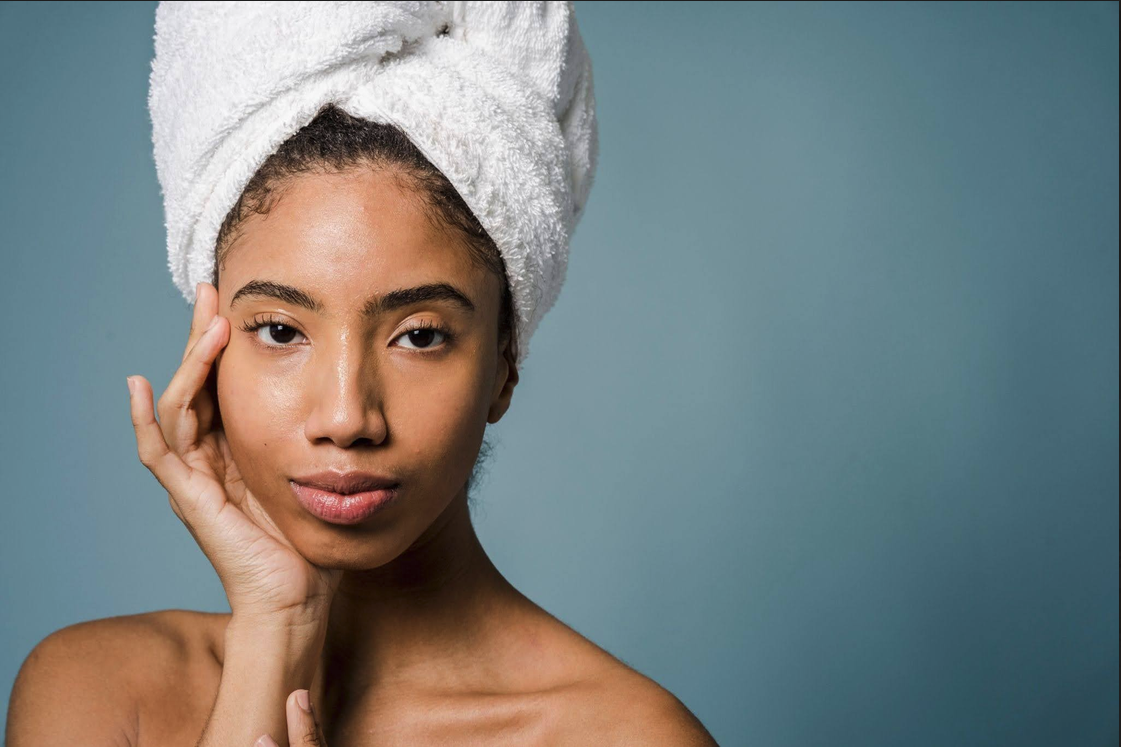
Some treatments are corrective; dermaplaning refreshes. It is the quick, gentle, no-downtime way to remove dull surface skin and the fine "peach fuzz" that can make a complexion look flat, leaving skin instantly smoother, brighter, and ready to glow. It is not a corrective procedure, and it does not pretend to be. For maintenance, for a pre-event glow, and as a smooth canvas for the rest of your skincare, it is one of the easiest treatments to love.
At Palm Beach Cosmetic Surgery, it is performed by Leah Scalziti, CMA.
Dermaplaning is a gentle, non-invasive exfoliation treatment that uses a sterile, medical-grade blade to remove dead surface skin and fine vellus hair (peach fuzz). The result is instantly smoother, brighter skin, better makeup application, and improved absorption of skincare products. It uses no chemicals, needles, or heat, has essentially no downtime, takes about 30 minutes, and is typically repeated every few weeks as part of a skincare routine. It refreshes and maintains rather than corrects deeper concerns.
How to Think About Dermaplaning Before Your Appointment
Most pages oversell what dermaplaning can do. Here is how to think about it honestly, so it is the right fit rather than a disappointment.
It is a glow-and-smooth treatment, not a corrective one. Dermaplaning makes skin look and feel smoother and brighter right away by removing surface buildup and fine hair. It does not treat deep wrinkles, significant pigment, scarring, or laxity. If those are your concerns, a different treatment is the better tool, and dermaplaning may still complement it.
It pairs beautifully with other treatments. Because it clears the surface, dermaplaning lets serums and other treatments penetrate better, which is why it is often done before a chemical peel or paired with a hydrating facial. If you are already planning other skin treatments, mention it. Sequencing matters.
The "thicker hair" worry is a myth. Removing fine vellus hair (peach fuzz) does not make it grow back darker, thicker, or coarser. It may briefly feel different because the tip was cut bluntly, but dermaplaning does not change how your hair grows. This is one of the most common fears and it is genuinely unfounded for peach fuzz.
Timing matters around active breakouts. Dermaplaning is not ideal over active, inflamed acne, since gliding a blade across broken-out skin can irritate it. If you are breaking out, it usually makes sense to calm the skin first or choose a different treatment for the time being.
These are the questions your provider will consider. Knowing them in advance helps make sure dermaplaning is the right choice for your skin right now.
Choices That Affect Your Dermaplaning
Dermaplaning is the simplest treatment in the skin-care lineup, but a few choices still shape how it fits your routine.
1. As a Standalone Glow or a Pairing Treatment
Dermaplaning is lovely on its own for an instant refresh, and it is also a natural lead-in to other treatments. Done before a peel or hydrating facial, it removes the surface barrier so the follow-up treatment works better. Your provider can recommend whether to keep it simple or pair it, based on your goals.
Clears the surface so the follow-up treatment penetrates more effectively
Pre-event
A fresh, polished, photo-ready glow with no downtime
Routine maintenance
Ongoing smoothness and radiance as part of regular skincare
2. The Areas
Dermaplaning is done on the face, where peach fuzz and surface buildup are most noticeable. It is not used over the eyelids or directly on active breakouts. Your provider tailors the treatment to your skin.
Dermaplaning's honest appeal is simple: smoother, brighter skin in about half an hour, with zero downtime. It is maintenance and glow, not correction, and for that purpose, it is hard to beat.
3. How Often
Because dermaplaning works on the surface, results last until your skin completes its natural renewal cycle, so it is typically repeated every few weeks to maintain that smooth, bright finish. Your provider will suggest a cadence based on your skin and your goals.
How Dermaplaning Works
Dermaplaning is purely mechanical exfoliation. There are no acids, no light, and no heat. A trained provider holds a sterile, medical-grade blade at an angle and uses light, feathering strokes across the skin to lift away the outermost layer of dead skin cells along with the fine vellus hair on the surface.
That simple action does a few things at once. It removes the dull, built-up surface layer that can make skin look tired, revealing the fresher skin underneath for an immediate brightening effect. It clears away the peach fuzz that can trap oil and makeup and catch the light in a way that emphasizes texture. And by taking off that surface barrier, it lets your skincare products absorb more effectively and makeup sit more smoothly. Most people describe the sensation as a light scraping, similar to a soft brush or a credit card gliding across the skin. No pain, just gentle pressure.
Want a fresh, smooth glow with zero downtime?
A quick consultation confirms dermaplaning is right for your skin right now, and whether to keep it standalone or pair it with another treatment. No pressure, no obligation.
Dermaplaning is one of the most widely suitable skin treatments, but it is a surface refresh, so it is right for some goals and not others.
You are likely a good candidate if:
You want smoother, brighter skin and peach-fuzz removal with no downtime.
You have dull, dry, or slightly rough surface texture.
You want a smooth canvas for makeup or a pre-event glow.
You have sensitive skin or conditions like rosacea that make chemical exfoliation less comfortable, because dermaplaning uses no acids (your provider will still assess you individually).
Dermaplaning may not be right for you, at least right now, if:
You have active, inflamed acne or a current breakout in the area, where a blade can irritate the skin.
Your concerns are deeper; significant wrinkles, pigment, scarring, or laxity, which call for a corrective treatment instead. Dermaplaning can complement those but will not replace them.
You have certain skin conditions or sensitivities your provider identifies during assessment.
During your appointment, your provider will confirm dermaplaning is a good fit for your skin right now, and suggest a different or complementary treatment if your goals call for more.
What to Expect, Start to Finish
This is the easiest "recovery" section in skincare, because there essentially is no recovery, but here is what to expect.
Before your appointment. Little preparation is needed. Avoid using exfoliating acids or retinoids right before, and arrive with clean skin if you can. Mention any recent treatments or active breakouts.
During the treatment (about 30 minutes). Your skin is cleansed, and your provider uses light, feathering strokes with a sterile blade across the treatment area. It is painless, and most people find it relaxing. Afterward, your provider may apply a serum, hydrating mask, or SPF to finish.
Right after. Skin looks immediately smoother and brighter. You might notice mild redness or a slight sensitivity for a few hours, which fades quickly. You can return to your day right away. This is a true "lunchtime" treatment.
The first day or two. Freshly exfoliated skin can be a little more sensitive to sun, so daily SPF is especially important. Otherwise there are no restrictions for most people, and your skincare will absorb especially well during this window.
Ongoing. The smooth, bright finish lasts until your skin naturally renews, which is why many people make dermaplaning a regular part of their routine every few weeks.
Frequently Asked Questions
No. This is the most common worry and it is a myth for peach fuzz. Removing fine vellus hair does not change its color, thickness, or growth. It may feel slightly different for a short time because the tip was cut bluntly, but it grows back the same as before.
No. Most people describe it as a light scraping or brushing sensation, similar to a credit card gliding across the skin. It is gentle and often relaxing, with no numbing needed.
Essentially none. You might be slightly pink for a few hours, but most people return to their day immediately. The main aftercare is diligent sun protection, since freshly exfoliated skin is a bit more sun-sensitive.
Dermaplaning is purely mechanical. A blade removes surface skin and fine hair. A chemical peel uses acids to exfoliate, often more deeply. Dermaplaning is the gentler, no-downtime refresh; peels can correct more but ask for more recovery. They are sometimes used together.
Typically every few weeks, aligned with your skin's natural renewal cycle, to maintain the smooth, bright finish. Your provider will recommend a cadence for your skin.
Risks and Things to Know Before You Commit
Dermaplaning is among the lowest-risk skin treatments when performed by a trained professional with sterile tools. Still, a few things are worth knowing.
Temporary redness or sensitivity. Mild and usually gone within hours.
Nicks or irritation. Rare in professional hands; far more likely with at-home blades, which is a good reason to have it done professionally.
Irritation over active acne. Why dermaplaning is avoided over current breakouts.
Increased sun sensitivity. Freshly exfoliated skin needs diligent SPF for a few days.
Realistic scope. The main "risk" is expecting correction from a refresh, dermaplaning smooths and brightens the surface; it does not treat deep concerns.
The best safeguards are simple: have it done by a trained professional with sterile, medical-grade tools, protect your skin from the sun afterward, and keep expectations matched to what a surface treatment does.
How Much Dermaplaning Costs in West Palm Beach
Dermaplaning is typically priced per session, and is often discounted as part of a package or when paired with another treatment. Because plans vary, the most accurate pricing comes from a quick consultation.
Dermaplaning is an elective cosmetic treatment and is not covered by insurance. Palm Beach Cosmetic Surgery offers financing through CareCredit on 48- or 60-month terms, and your consultation will include a clear breakdown of costs based on your specific plan, with no obligation to proceed.
Leah is Palm Beach Cosmetic Surgery's Lead Esthetician and Licensed Electrologist, with over ten years of experience in aesthetics and advanced skin rejuvenation. Known to many patients as "Laser Leah," she specializes in advanced aesthetic laser treatments and builds a customized plan for each patient, with a particular focus on acne scarring, active acne, melasma, sun damage, and visible signs of aging. Her attention to detail and warm, results-driven approach make her a trusted part of the aesthetic experience at the practice.
The specialty recognition identified herein has been received from a private organization not affiliated with or recognized by the Florida Board of Medicine.
*Disclaimer: Pricing may vary based on the options selected during consultation. Monthly payments are estimated based on the procedure’s starting price with financing through CareCredit on a 48- or 60-month term. Terms and conditions apply. While supplies last.
Before-and-after photos feature actual patients; individual results may vary. Patient testimonials reflect personal experiences and opinions. Claims made on this website are for informational purposes only regarding available procedures. Individual results will be discussed during your consultation with the doctor. The information provided is for general knowledge only and is not intended as medical advice.