How to Think About CO2 Laser Before Your Consultation
Most pages tell you what CO2 laser does. Fewer tell you how to decide whether it is the right treatment, and the right depth, for your skin. Before you book, it helps to be clear on a few things.
What you are actually trying to fix. Surface concerns like mild texture and dullness, deeper concerns like acne scars and etched wrinkles, and pigment concerns like sun damage are all treatable — but they call for different settings and sometimes different treatments. The clearer you are about your top concern, the better your provider can dial the treatment in.
How much downtime you can realistically take. This is the honest gatekeeper for CO2 laser. A deeper, more aggressive treatment gives a more dramatic result but needs more recovery; a lighter treatment needs less downtime but more sessions. There is no version of meaningful CO2 resurfacing with zero downtime, and any page promising that is not being straight with you.
Your skin tone and history. Skin type genuinely affects how CO2 laser is approached, because deeper skin tones carry a higher risk of pigment changes and need a more cautious plan. A history of cold sores, certain medications, and recent sun exposure all matter too. This is a treatment where the assessment is not a formality.
That the result builds over time. You will not walk out with your final skin. The surface heals in about a week, but the collagen remodeling that does much of the work continues for months. Patience is part of the treatment.
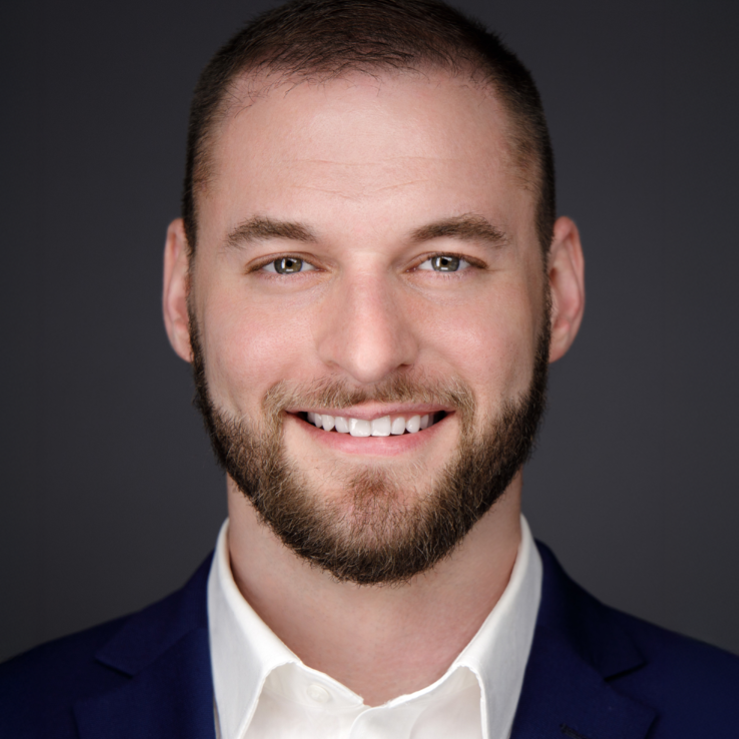
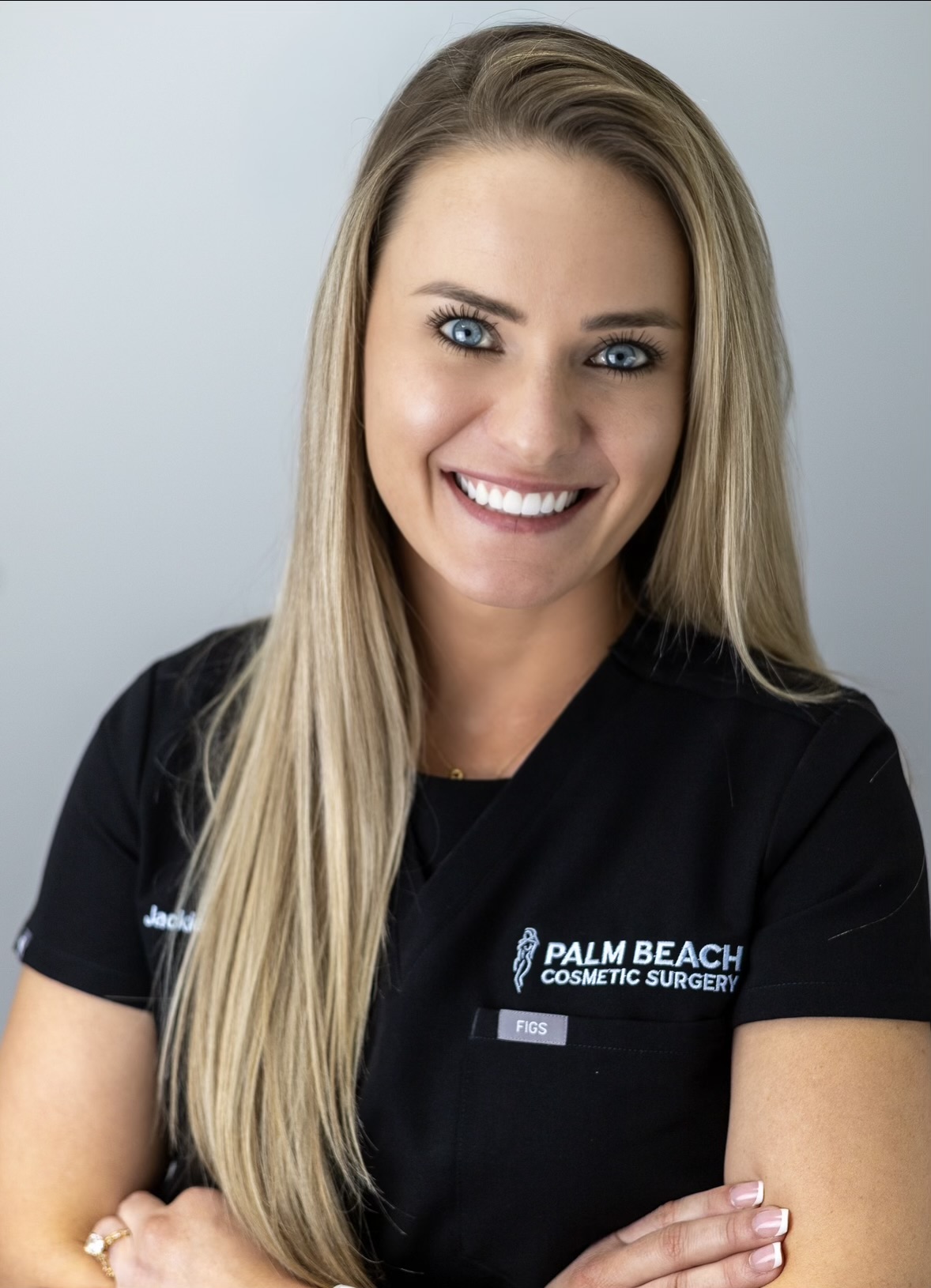
These are the questions your provider will ask during your consultation. Depending on the depth that's right for you, your CO2 treatment may be performed by Dr. Sistare, Jackie, or Leah, matched to how deep the resurfacing needs to go, with the deeper, fully ablative work handled by Dr. Sistare. Having early answers makes the visit more productive and the result more aligned with what you actually want.
How CO2 AcuPulse Works
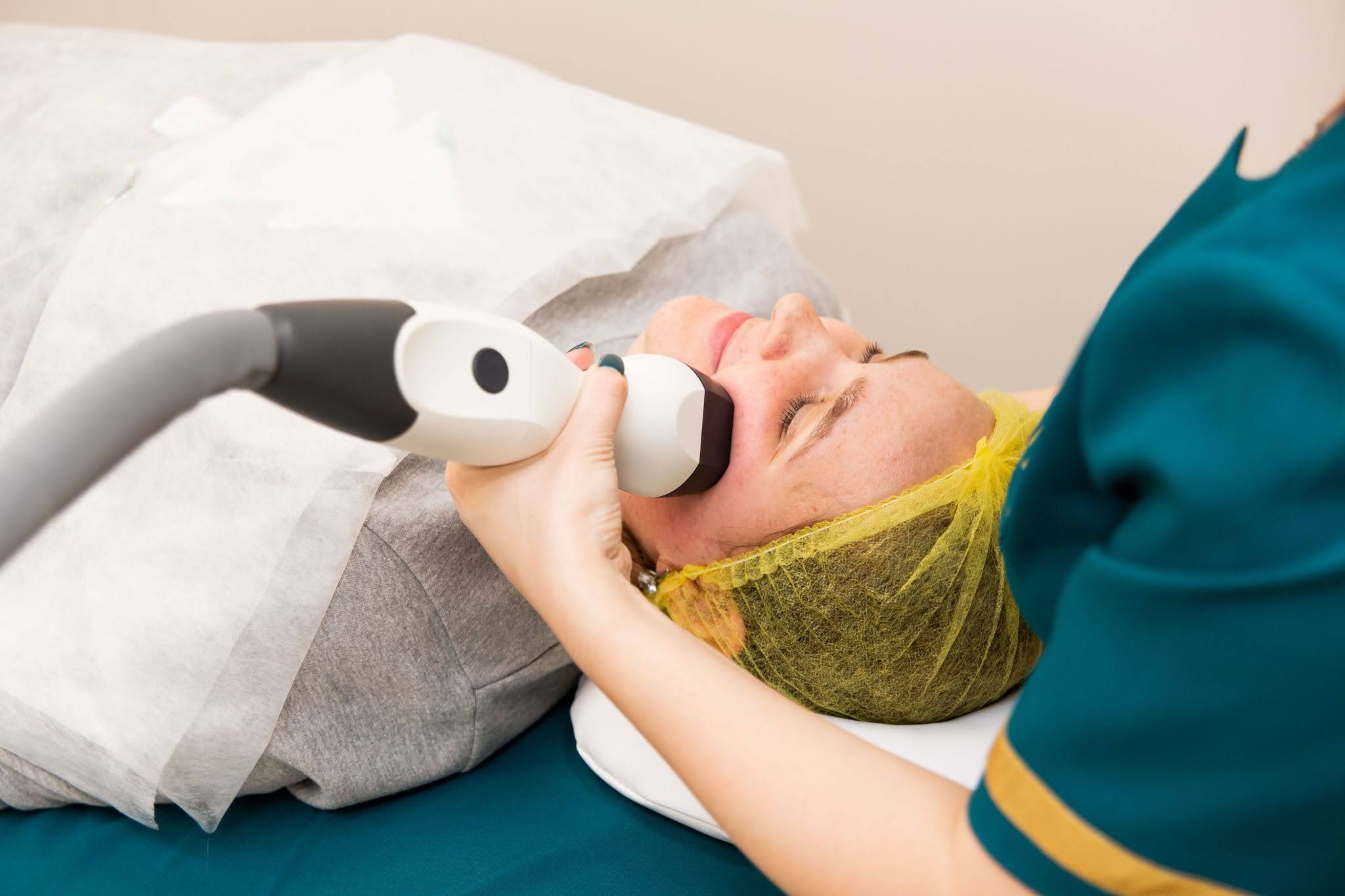
The AcuPulse is a CO2 laser made by Lumenis, and it can be used in two ways: as a fully ablative treatment or as a fractional one. Most people opt for the fractional approach, but fully ablative treatment is best for deep scarring.
"Fractional" is the key word for the more common option: instead of treating the entire surface at once, the laser delivers focused microscopic columns of energy and leaves the skin in between those columns intact. Those untouched "skip areas" act as healing reservoirs, so the skin recovers faster than it would with a fully ablative approach while still getting a deep, effective treatment. A fully ablative treatment, by contrast, resurfaces the entire area at once: more intensive, with longer downtime, but capable of addressing deep scarring that fractional treatment may not fully resolve.
With the fractional treatment, two things happen at once. At the surface, the laser removes damaged, sun-aged, and scarred skin, allowing fresh skin to take its place. Below the surface, the heat stimulates your body to produce new collagen, which is the process responsible for the firming and continued improvement you see over the following months. The AcuPulse's pulse technology is designed to reach deep layers using lower energy, which helps control discomfort, downtime, and risk relative to more aggressive resurfacing.
The Variables That Affect Your Result
A CO2 treatment’s results depend on numerous factors and variables.
1. Treatment Depth: Dramatic Result vs. Downtime
This is the central trade-off in CO2 resurfacing, and the one that determines almost everything about your experience.
| FACTOR | LIGHTER / SUPERFICIAL | DEEPER / MORE AGGRESSIVE |
|---|
| Best for | Mild texture, dullness, early lines, maintenance | Deep wrinkles, significant acne scars, sun damage |
| Result per session | Subtle to moderate | Dramatic |
| Social downtime | Shorter (often a few days) | Longer (often around a week) |
| Sessions typically needed | A series may be planned | Often one to two |
| Intensity of recovery | Milder redness and peeling | More pronounced redness, swelling, peeling |
There is no universally "right" depth. A deeper treatment does more in one visit but asks more of your calendar and your healing; a lighter approach is gentler but may need repeating. Your provider matches the depth to your concern, your skin, and how much recovery time you can actually take.
2. The Areas: Face, and Carefully Beyond
The AcuPulse is most commonly used on the full face, where results are strongest. It can also be used more conservatively on the neck, chest, and hands to improve texture. These areas have thinner skin and heal differently, so they are treated with gentler settings. A common approach is to treat the face fully and feather the settings at the edges so there is no harsh line between treated and untreated skin.
CO2 laser is one of the few non-surgical treatments that genuinely resurfaces and tightens. But it earns those results. There is no shortcut around the recovery, and anyone who promises one is not telling you the truth.
3. One Session or a Series
Depending on the depth chosen and what you are treating, one session may be enough for a dramatic correction, or your provider may plan a series of lighter treatments to reach the same place with less downtime each time. Deeper concerns like established acne scars sometimes need more than one pass over time. This is decided with you, based on your goals and your tolerance for downtime.
Is CO2 Right For You?
CO2 resurfacing works best when expectations match what it can do. It resurfaces skin and stimulates collagen, improving texture, tone, fine lines, and scars. It does not lift significantly sagging skin the way a facelift does, and it is not a treatment you take lightly between errands.
You are likely a good candidate if:
- You are in good general health and not pregnant or breastfeeding.
- Your concerns are texture, fine-to-moderate wrinkles, acne scars, sun damage, or uneven tone.
- You can realistically take the downtime the treatment requires.
- You are willing to commit to sun protection and aftercare, which directly affect your result.
CO2 laser may not be the right choice for you if:
- Your main concern is loose, sagging skin. A skin-tightening treatment or a surgical option such as a facelift may be the better answer, and our team can walk you through those.
- You cannot avoid sun exposure during healing, or you have a recent tan. Treating recently sun-exposed skin raises the risk of complications.
- You have a deeper skin tone without a careful, individualized plan, because of the higher risk of pigment changes. This does not necessarily rule you out, but it makes the assessment essential.
- You have a history of frequent cold sores (your provider may prescribe preventive medication) or take certain medications that affect healing.
During your consultation, Dr. Sistare or his team will assess your skin type and history honestly and tell you if a different treatment would serve you better. The goal is the right tool for the result you actually want.
What Recovery Actually Looks Like, Day by Day
This is the section most pages rush. CO2 laser has real downtime, and you deserve a realistic picture, with the understanding that recovery depends heavily on how deep your treatment was and that everyone heals at their own pace.
Days 1–3: The Raw Phase. Immediately after, treated skin feels and looks like a deep sunburn. Swelling, especially around the eyes, is usually most noticeable in the first day or two. You will be following a specific regimen of gentle cleansing and heavy moisturizing or ointment to keep the skin protected. This is the most demanding stretch, and it is when staying home is easiest.
Days 3–5: Peeling Begins. The skin starts to slough and peel as the new surface comes through underneath. It is important not to pick or scrub. Let it shed on its own. Redness remains but the tightness and swelling begin to ease.
Days 5–7: Back to the World. Most people feel ready to return to work and social activity in this window, often with the peeling largely complete and the redness fadeable with gentle makeup once your provider clears it. Deeper treatments may extend this.
Weeks 1–4: The Pink Phase. New skin is fresh and often pink or rosy for several weeks. This fades gradually. Diligent sun protection is non-negotiable here. New skin is highly vulnerable to pigment changes, and sun exposure during this window can undo your result. Plan on strict sun avoidance and daily SPF for several weeks, longer if your provider advises.
Months 1–6: The Real Result. This is where CO2 earns its reputation. As new collagen forms, skin continues to firm, smooth, and improve well after the surface has healed. The result you see at one month is not the finish line; improvement continues for months.
What to Know Before You Commit
CO2 resurfacing is a well-established treatment and is safe when performed by a qualified provider who matches the settings to your skin. That said, it is a real medical treatment and carries real risks you deserve to understand.
- Prolonged redness. The pink phase can last weeks; for some, longer.
- Pigment changes. Skin can temporarily darken (hyperpigmentation) or lighten (hypopigmentation), a risk that is higher in deeper skin tones and with sun exposure during healing.
- Infection. Uncommon with proper aftercare; cold sore outbreaks can be triggered, which is why preventive medication is sometimes prescribed.
- Scarring. Rare, but possible, particularly if aftercare is not followed or the skin is picked during healing.
- Result not matching expectations. Especially when downtime or sun protection instructions are not followed, or when a single session is expected to fully erase deep scarring.
The two most important things within your control are choosing an experienced, medically supervised provider and following the aftercare and sun-protection instructions exactly. With CO2 laser, the aftercare is genuinely part of the treatment.
How Much CO2 AcuPulse Laser Costs in West Palm Beach
Pricing depends on the depth of treatment, the areas treated, and whether a single session or a series is planned. Because the right approach varies so much from one person to the next, the most accurate number comes from an assessment rather than a generic figure.
Laser resurfacing is an elective cosmetic treatment and is not covered by insurance. Palm Beach Cosmetic Surgery offers financing through CareCredit on 48- or 60-month terms, and your consultation will include a clear breakdown of costs based on your specific plan, with no obligation to proceed.