The Quick answer
Palm Beach Cosmetic Surgery explains that whether a facelift makes sense in your 30s or 40s isn't about age but about what your face is doing—early jowling, thinning cheek fat pads, and loosening skin along the lower face and neck. A simple mirror test helps: gently pull your cheeks back and up, and if that gives you the look you want, your concern is structural, which is what surgery addresses. Younger faces often need less, so a minimal incision SmartLift suits lighter sagging while heavier drooping is better matched to a deep plane facelift. Recovery runs about two-and-a-half to three-and-a-half weeks with most patients back to work around week three, and Dr. Michael Sistare confirms whether you're truly ready during an in-person consultation.
If you're in your 30s or 40s and wondering whether a facelift is something people your age even consider, the more useful question isn't your age at all. It's what your face is actually doing. Sagging along the jaw, cheeks that have started to flatten, a softening jawline; these are structural changes, and they aren't tied to a milestone birthday.
More younger patients are asking the same thing. In 2024, 14,514 facelifts were performed on patients aged 40 to 54, about 18 percent of all facelifts reported by ASPS surgeons, according to ASPS. Another 1,714 were done on patients in their 30s. You're not the only one weighing this earlier than you expected to.
At Palm Beach Cosmetic Surgery in West Palm Beach, FL, we hear this worry often, and the honest answer is reassuring: readiness is about your anatomy, not your age. This article walks through why younger patients are choosing surgery, the signs that suggest you're ready, which techniques suit younger faces, when it's smarter to wait, and what the process and recovery really look like.
Key takeaways
- Age isn't the real measure of whether a facelift makes sense. What matters is what your face is doing: early jowling, descent and thinning of the cheek fat pads, and loosening skin along the lower face and neck.
- A simple mirror test helps: gently pull your cheeks back and up. If that gives you the look you want, your concern is structural, and that's what surgery addresses.
- Younger faces often need less. A minimal incision facelift, or SmartLift, lifts the lower face and upper neck through a shorter incision, while heavier drooping is better matched to a deep plane facelift.
- The deep plane and traditional SMAS techniques both look natural. The deep plane approach tends to last longer and suits more advanced jowling.
- Recovery runs about two-and-a-half to three-and-a-half weeks, with most patients back to work around week three and pain managed with over-the-counter medicine, not opioids.
Why are more patients in their 30s and 40s choosing facelift surgery?
A generation that grew up on injectables is reaching a turning point. Fillers and neuromodulators can soften early lines beautifully, but they don't lift loosening tissue, and the upkeep adds up year after year. At some point, many people start asking whether one surgical step would do more than another decade of touch-ups.
Facelift interest has been climbing across the board. Globally, facelifts grew 7.4 percent in 2024 and are up roughly 76 percent since 2020, per ISAPS. Some of that growth is younger patients choosing to act earlier rather than later.
There's also a biological case for not waiting too long. Younger skin still has more of its natural elasticity and collagen, so it tends to redrape smoothly and heal well. Operating while your tissue is healthier can make for a more forgiving recovery and a result that ages gracefully with you.
The financial math surprises people too. Quality injectable maintenance, repeated a few times a year, quietly becomes a significant investment over a decade. Framed that way, an earlier surgical result can feel less like an indulgence and more like a practical decision, and Palm Beach Cosmetic Surgery is built around making that decision accessible.
That accessibility is real, not a slogan. To help make your goals easier to plan for, you can explore flexible financing options through Cherry, CareCredit, and Alphaeon Credit, so cost doesn't have to be the reason you keep waiting.
Choosing to look into this now, rather than talking yourself out of it, is a thoughtful instinct. The next question is a practical one: how do you tell whether your face is actually ready?
What are the anatomical signs that indicate you're ready for a facelift?

Here's the shift that changes everything: age is not an indicator of whether you need a facelift. What matters is what specific parts of your face are doing, and whether those changes are the kind surgery can correct. A 38-year-old with early jowling may be a better candidate than a 55-year-old whose concern is mostly skin texture.
The signs to watch for are structural, not cosmetic touch-ups:
- Early jowling, where the once-clean line of your jaw starts to blur and soften at the corners.
- Descent and thinning of the cheek fat pads, so the midface looks flatter and a little hollow under the eyes.
- Loosening skin along the lower face and neck, the beginnings of a less defined jawline and neck angle.
These changes tend to arrive quietly, and noticing them can stir up mixed feelings. That's normal. Wanting your face to match how energetic you still feel is a perfectly reasonable thing to want.
There's a simple self-test that cuts through the guesswork. Stand in front of a mirror and gently pull your cheeks back and slightly up with your fingers. When that gentle lift gives you the look you're hoping for, your concern is structural, and that's exactly what a facelift repositions. That single test tells you more than your birth year ever will.
None of this replaces a professional evaluation. Board-certified cosmetic surgeon* Dr. Michael Sistare assesses your jawline, your cheek support, and your skin quality in person, because the right recommendation depends on your unique face, not a number on a chart. If the mirror test leaves you unsure, that uncertainty is exactly what a consultation is there to resolve.
Which facelift techniques work best for younger facial structures?
Younger faces usually need less lifting than older ones, and matching the technique to the amount of change is where a natural result comes from. Pull too hard on a face that only needs a little, and you get that tight, done look everyone wants to avoid. The goal is proportion, not maximum tension.
For lighter, earlier sagging, Dr. Sistare offers a minimal incision facelift, known as a SmartLift. It lifts the lower portion of the face and the upper portion of the neck through a shorter incision, which means a smaller scar than a full face and neck lift. It's a good fit for many younger patients precisely because it does enough without doing too much.
For heavier drooping or more pronounced jowling, a deep plane facelift tends to be the better tool. Instead of just tightening the surface skin, this technique releases and repositions the deeper tissue layer underneath, the same layer that sags and creates jowls. Because the lift comes from underneath, the result looks natural and holds longer.
| Technique | What it lifts | Incision and scar | Best suited for |
|---|---|---|---|
| Minimal incision facelift (SmartLift) | Lower face and upper neck | Shorter incision, smaller scar | Lighter, earlier sagging |
| Full facelift (SMAS) | Lower face and neck | Standard incisions hidden around the ears and hairline | Moderate sagging and jowling |
| Deep plane facelift | Deeper tissue layer repositioned | Similar placement, hidden in the hairline and around the ears | Heavier drooping, longest-lasting natural result |
Both the SMAS and deep plane approaches can look completely natural. The deep plane is simply expected to last longer and is better for people who start with heavier drooping. One more thing worth knowing: most facelift patients need some neck lifting too, so a neck lift is often done alongside the face, rarely on its own.
S Teague, a patient at our West Palm Beach office whose treatment combined the face and neck, shared their experience:
"Dr Sistare performed a face, neck, upper bleph and CO2 laser. I could not be happier with the results! His bedside manner is impeccable, and he is always responsive!! I highly recommend this very skilled professional."
When is it smarter to wait or choose non-surgical alternatives instead?
Sometimes the most honest answer is not yet, and a good surgeon will tell you so. If your skin is only mildly loose, or your main concern is texture, tone, or a few early lines, surgery may be more than you need right now. There's no rush, and choosing to wait isn't a failure of nerve; it's good judgment.
A few situations genuinely call for patience:
- Mild or superficial skin laxity, which often responds well to non-surgical care while your tissue is still relatively firm.
- Recent or heavy dermal filler, which can distort the picture and make an accurate surgical assessment harder until it settles.
- Any time the permanent trade-offs of surgery, incisions and healing, outweigh what's actually bothering you.
Non-surgical options have a real role in this stage. Injectables, medical-grade skincare, and resurfacing treatments can protect and refresh your skin through your 30s, buying time and keeping things looking healthy. What they can't do is lift tissue that has truly loosened, so it helps to see them as maintenance rather than a substitute for a lift.
It's worth being clear-eyed about the limits, too. Energy devices and filler-based treatments some practices market as a "liquid facelift" offer only mild, temporary help, and they can't reverse real structural sagging. Setting that expectation early saves disappointment later.
An ethical consultation should feel like this: if you're not ready for surgery, your surgeon says so and points you toward what actually helps. Being told to wait is often the most trustworthy thing you'll hear, and it's a sign you're in good hands.
What do the procedure and recovery actually look like for a younger patient?

Picturing the actual experience takes a lot of the fear out of it, so here's the real arc from consultation through recovery. It starts with a conversation, not a commitment.
Your consultation happens in person at Palm Beach Cosmetic Surgery's West Palm Beach office, and it works both ways. Yes, your surgeon evaluates your anatomy and goals, but it's equally your chance to evaluate him, ask anything, and decide whether the fit feels right. Nothing is off limits, and there's no pressure to decide that day.
The surgery itself is tailored to how much lift you actually need. A SmartLift takes roughly three to three-and-a-half hours, uses no skin adhesive, and relies on dissolvable sutures, so nothing has to be removed later. Before surgery, you'll be asked to avoid aspirin and similar anti-inflammatory medicines for at least two weeks and, if you smoke, to stop for at least six weeks to support healing.
Recovery for a younger, healthy patient is usually smoother than people expect. Most patients describe the discomfort as minimal and surprisingly manageable, handled with over-the-counter medicine first rather than opioids. You'll start light walking the moment you get home, and rest with your head mildly elevated, about 15 degrees, for the first couple of weeks.
The timeline runs roughly two-and-a-half to three-and-a-half weeks. Week one brings peak swelling and gentle walks. Week two eases into light activity. By around week three, many patients feel ready to return to work, with activity building through weeks four and five and full recovery approaching by week six.
Sharon, a patient at our West Palm Beach office who had face and neck surgery, described her recovery:
"Dr. Michael Sistare did surgery for my neck & face and I was very pleased with his expertise. He called me later that night after the surgery to check up on me. A week after my surgery, my face and neck looked significantly better. It boosted my confidence and brought me great joy. I am ecstatic and pleased by how I now look in the mirror."
That kind of concierge access is part of the experience here; patients are given a direct line to reach their surgeon during recovery. When you're ready to talk it through, you can schedule a consultation at our West Palm Beach office, or call 561-499-9000 to get started.
Conclusion
So, are you too young for a facelift in your 30s or 40s? If you started this article worried the answer was yes, here's the real one: your age was never the deciding factor. What matters is whether your jawline, cheeks, and neck are showing structural changes that surgery can correct, and whether that mirror test gives you the look you're after.
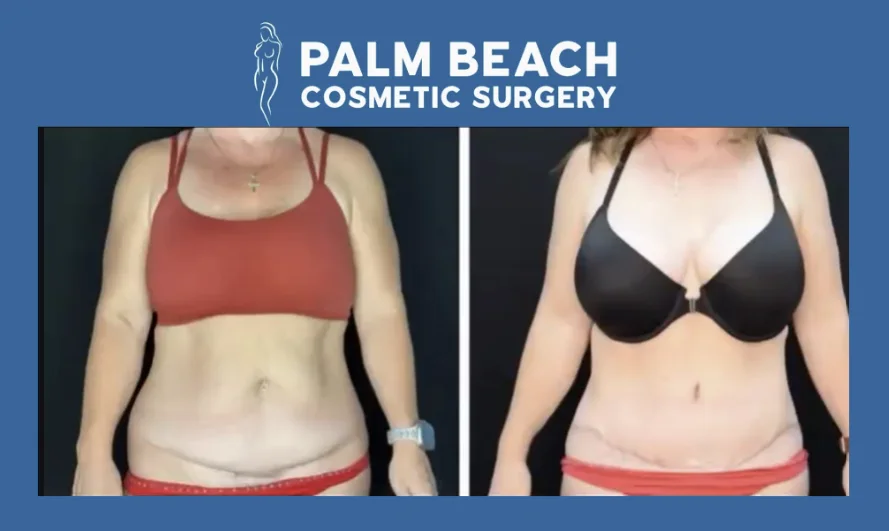
A good next step is to see results on faces that started where yours is, so browsing real face and neck lift photos is a genuinely useful place to begin. From there, a consultation is simply where an abstract question becomes a specific plan built around your face and your timing.
When you're ready, Dr. Sistare and the team at Palm Beach Cosmetic Surgery in West Palm Beach, FL are here to help. You'll get a clear, honest look at your options, with the affordability and personal care the practice is known for. Reach out through the contact page or call 561-499-9000 whenever the timing feels right for you.
Frequently asked questions
Does a facelift in my 40s prevent future aging?
A facelift doesn't stop the aging process, but it does reset your starting point. By repositioning tissue that has begun to sag, it can keep you looking younger than you otherwise would as the years pass. Good skincare and sun protection help extend that head start.
Will getting a facelift now mean I need another one when I'm older?
Possibly, though not always, and it's rarely as dramatic the second time. A facelift lasts many years, and choosing a longer-lasting technique like the deep plane approach can stretch that further. Some patients are happy with one lift, while others choose a refresh down the road.
Can a minimal incision facelift fix early jowling?
Often, yes. A minimal incision facelift, or SmartLift, targets the lower face and upper neck, which is exactly where early jowling shows up. It uses a shorter incision than a full facelift, making it a common match for younger patients with lighter sagging.
How long does a facelift typically last when done at a younger age?
Surgical facelift results generally last about ten years or more. Starting with healthier, more elastic skin can help the result hold and age gracefully. Technique and daily habits like sun protection also influence how long it lasts.
How long is the recovery timeline for a younger facelift patient?
Plan for about two-and-a-half to three-and-a-half weeks of downtime. Peak swelling comes in week one, with gentle walks, light activity returns in week two, and many patients head back to work around week three. Younger, healthy patients often move through this window comfortably.
Is a facelift more expensive than keeping up with regular fillers and BOTOX®?
Upfront, surgery costs more than a single round of injectables. Over a decade, though, the recurring cost of maintaining fillers and neuromodulators adds up, which changes the comparison. Flexible financing through Cherry, CareCredit, and Alphaeon Credit can make an earlier surgical result easier to plan for.
What is a deep plane facelift, and is it safe for patients in their 40s?
A deep plane facelift releases and repositions the deeper tissue layer beneath the skin, rather than just tightening the surface. It's a well-established technique suitable for patients in their 40s, and it tends to produce natural results that last longer. Your surgeon will confirm it's the right approach for your anatomy during your consultation.
How soon can I return to work and exercise after an early facelift?
Many patients return to desk work around the three-week mark, once swelling has settled, and they feel presentable. Light walking starts the day you get home, while more strenuous exercise is added gradually through weeks four and five. Your surgeon will give you a timeline tailored to your healing.
*Disclaimer: The specialty recognition identified herein has been received from a private organization not affiliated with or recognized by the Florida Board of Medicine. This content is for educational purposes only and does not constitute medical advice. A consultation with a qualified board-certified surgeon is required to determine the best treatment plan for your individual needs and any questions you may have about a medical condition or procedure.